
How to Create a Network Security Plan For Your Business
December 15, 2024



Network security is more crucial than ever. The rise of cyber threats has made it clear that protecting your company’s data should be a top priority.
According to IBM Report, the global average cost of a data breach in 2024 is $4.88 million. This staggering figure highlights the financial impact cyber incidents can have on businesses. It’s not just large corporations that are at risk—small to medium-sized businesses are often targeted as well.
As Thad Siwinski, CEO of Prototype IT, says, “Every business, no matter its size, must have a solid network security plan to stay safe in an increasingly digital landscape.”
To safeguard your business from costly breaches, you need a network security plan that outlines how you’ll protect your systems and data from unauthorized access and potential damage. Let’s break down the steps you can take to create and implement an effective security strategy for your business.
What is a Network Security Plan
A network security plan is a detailed blueprint for safeguarding your organization’s network infrastructure. It covers everything from data protection to securing devices and communication channels. The main goal is to prevent unauthorized access, data theft, and any damage caused by cyberattacks.
A solid network security implementation strategy includes several components:
- Firewalls: Prevent unauthorized traffic.
- Intrusion Detection Systems (IDS): Detect any malicious activity.
- Encryption: Protect sensitive data.
- Access Control: Define who can access which resources.
A clear and comprehensive network security plan helps you avoid vulnerabilities that could lead to financial loss or reputational damage.
Ready to Strengthen Your Network Security?Protect your business from evolving cyber threats with a customized, comprehensive security plan. |
Key Steps for Network Security Implementation
Implementing network security is not a one-time task but an ongoing process. Here are the essential steps for network security implementation that you should follow:
- Assess Your Risks: Understand the threats your business faces, such as malware, phishing attacks, or data breaches.
- Define Security Policies: Establish policies for password management, device usage, and data storage.
- Select Appropriate Security Technologies: Choose the right security tools, like firewalls, VPNs, and encryption software, that match your business needs.
- Train Your Employees: Human error is often the weakest link in security. 25% of employees have the tendency to click most of the links sent to them via email or via social networks. Ensure your team knows how to recognize threats.
- Monitor and Update: Regularly review and update your security protocols to stay ahead of evolving threats.
By following these steps, you can create a proactive approach to network security implementation that keeps your business safe and your operations running smoothly.
How to Create Your Network Security Plan
Creating your network security plan doesn’t have to be complicated. Here’s a simple guide to get started:
- Start with a Template: A network security plan template can help you structure your plan and ensure all aspects of security are covered.
- Identify Critical Assets: List the critical assets that need protection—data, devices, and applications.
- Define Access Controls: Set clear rules on who can access specific resources, ensuring only authorized personnel can access sensitive information.
- Determine the Right Security Tools: Depending on your needs, select tools like antivirus software, firewalls, and encryption to safeguard your network.
- Plan for Contingencies: Ensure you have protocols in place for handling security breaches, such as a disaster recovery plan.
A network security plan example can serve as a reference for creating your customized plan. It’s important to align the plan with your business’s specific needs and risk profile.
| More resources you might like: |
Network Security Plan Examples and Templates
Sometimes, it helps to look at network security plan examples to see how other businesses structure their security strategies. For instance, you may find that some plans include:
- Access Control: Limit access to networks and systems based on employee roles.
- Network Monitoring: Regular monitoring to detect and block malicious activity.
- Incident Response: Clear steps on how to respond to and recover from a security incident.
A sample network security plan typically includes details on the types of technology and procedures to be used, as well as timelines for reviewing and updating the plan.
Using a template can help you align your security needs with your business goals. It ensures that your network security strategy is comprehensive and strategically aligned with your company’s objectives.
The Challenges in Implementing Network Security
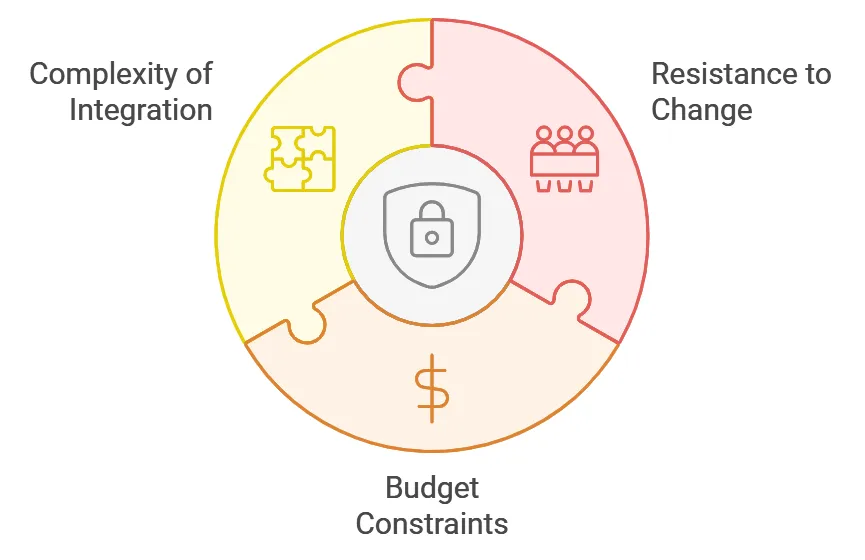
Implementing network security can be challenging, especially for small businesses with limited resources. Here are some common obstacles you might face:
- Resistance to Change: Employees may resist new security protocols, which can make it harder to implement your security plan.
- Budget Constraints: Investing in top-tier security tools can be costly, especially for small businesses.
- Complexity of Integration: Integrating new security measures into existing systems can be difficult without expert guidance.
To overcome these challenges, it’s important to educate your team, prioritize security spending, and consider working with a managed service provider who can guide the implementation of network security and ensure it fits into your existing infrastructure.
Why Continuous Monitoring and Updating is Key
A network security plan isn’t a “set it and forget it” strategy. Threats evolve constantly, so it’s crucial to monitor and update your security systems regularly. Here’s why:
- Emerging Threats: Cybercriminals are always finding new ways to exploit vulnerabilities. Regular updates ensure your systems stay protected against these evolving threats.
- Compliance Requirements: Many industries have strict compliance standards. Ongoing monitoring ensures that your business remains compliant.
- Effectiveness of Tools: Security technologies like firewalls and antivirus software need regular updates to stay effective.
Monitoring your network for signs of attack, updating security protocols, and revisiting your security plan regularly will help you maintain a strong defense against cyber threats.
Common Mistakes in Network Security Implementation
Implementing a network security plan involves a series of decisions that can make or break the security posture of your business. Avoiding these common mistakes is essential to strengthening your network defenses.
| Mistake | Why It’s Harmful | How to Avoid It |
| Overlooking Employee Training | Employees are the weakest link in security if not properly trained | Regularly conduct security awareness training |
| Neglecting Regular Updates | Outdated systems and software are vulnerable to attacks | Implement automated updates for all critical systems |
| Relying Solely on Firewalls | Firewalls alone cannot protect against all types of threats | Use multi-layered security approaches (e.g., IDS/IPS) |
| Weak Password Policies | Weak passwords are easily compromised | Enforce strong password policies and multi-factor authentication |
| Lack of Regular Backups | Without regular backups, you risk losing critical data | Set up automated, regular backups for all important data |
Ensure Robust Network Security with Prototype IT
Creating and implementing a network security plan is an essential step toward safeguarding your business against cyber threats. It’s important to create a comprehensive plan, choose the right tools, and continuously monitor and update your systems.
| Discover Trusted Network Support Services in Fort Worth, Texas. |
By doing these, you can better protect your network and reduce the risk of security incidents. Prototype IT provides reliable cybersecurity solutions, supporting hundreds of clients across North America and catering to over 7000 end users.
If you’re ready to strengthen your network security, contact Prototype IT today for a free consultation. We can help you develop a robust plan that ensures the security and success of your business.
Free Network Assessment:
Get In Touch
- ▶ 401 E. Corporate Dr STE 220
Lewisville, TX 75057 - ▶ 600 W. 6th St Suite 485
Fort Worth, TX 76102 - ▶ 13155 Noel Rd Suite 905
Dallas, TX 75240 - Phone: (214) 270-0850
- Web: https://www.prototypeit.net
