
Cloud Security Threats: What You Need to Know and How to Protect Your Data
October 31, 2024



Cloud computing is transforming how businesses store and manage data, but the growing use of cloud services comes with heightened security risks.
In fact, 64% respondents said data loss and data privacy are the leading cloud security concerns. As businesses increase reliance on the cloud, the need for stronger protection becomes critical.
Thad Siwinski, CEO of Prototype IT says, “Cloud computing provides convenience and scalability, but without robust security measures, your business is vulnerable to data breaches and cyber attacks.”
Secure Your Cloud Data Before It’s Too LateKeep your data safe and your operations running smoothly with our expert solutions. |
Understanding Cloud Security Threats
As businesses increasingly move their operations to the cloud, cloud security threats have become a pressing concern. From data breaches to insider risks, the vulnerabilities that exist in cloud environments can have severe consequences for your business.
Recognizing these threats and taking proactive measures can help ensure the security of your sensitive information. Below, we explore the top cloud security risks and offer actionable steps to mitigate them.
In this blog, we’ll dive into the top cloud security threats you need to be aware of and actionable steps to protect your business from each one.
1. Data Breaches: The Most Widespread Cloud Security Risk
One of the most significant security threats in cloud computing is the risk of data breaches. When your sensitive data—such as customer information or proprietary business data—is improperly accessed, it can lead to massive financial and reputational damage.
- Cause: Misconfigurations, weak access controls, and insufficient encryption.
- Impact: Loss of sensitive data, regulatory fines, and brand damage.
- Actionable Tip: Encrypt all sensitive data, implement multi-factor authentication (MFA), and regularly audit your cloud environment for potential vulnerabilities.
2. Insider Threats: Risks from Within
Not all cloud computing security threats come from external sources. Insider threats—whether intentional or accidental—can compromise your cloud environment.
- Types: Malicious insiders (disgruntled employees) and unintentional insiders (employee errors). Research shows that insider threats account for 60% of security incidents.
- Actionable Tip: Enforce strict role-based access control (RBAC), regularly train employees on security practices, and monitor user activity for suspicious behavior.
3. Insecure APIs: The Weak Link in Cloud Security
Application Programming Interfaces (APIs) are essential for integrating cloud services with other platforms, but they can also create new vulnerabilities. Insecure APIs allow attackers to manipulate data, gain unauthorized access, and even crash systems.
- Example: Insecure APIs contributed to the infamous Capital One breach, exposing sensitive financial data.
- Actionable Tip: Secure APIs by implementing proper authentication, encrypting data in transit, and regularly testing for vulnerabilities.
4. Misconfigurations: A Leading Cause of Cloud Incidents
Misconfigurations in cloud environments are alarmingly common and can expose your data to the public without your knowledge. Whether it’s an open storage bucket or incorrect permission settings, misconfigurations create serious cloud security threats.
- Actionable Tip: Regularly review and update your cloud configuration settings and use automated tools to scan for potential misconfigurations.
| More articles you might like: |
5. Account Hijacking: When Credentials Are Stolen
Stolen login credentials are a major entry point for cybercriminals targeting cloud environments. Phishing attacks, weak passwords, and social engineering can allow attackers to hijack accounts, giving them full control over your systems.
- Actionable Tip: Enforce strong password policies, enable multi-factor authentication (MFA), and conduct phishing awareness training for employees.
6. Distributed Denial-of-Service (DDoS) Attacks: Overwhelming Your Cloud Resources
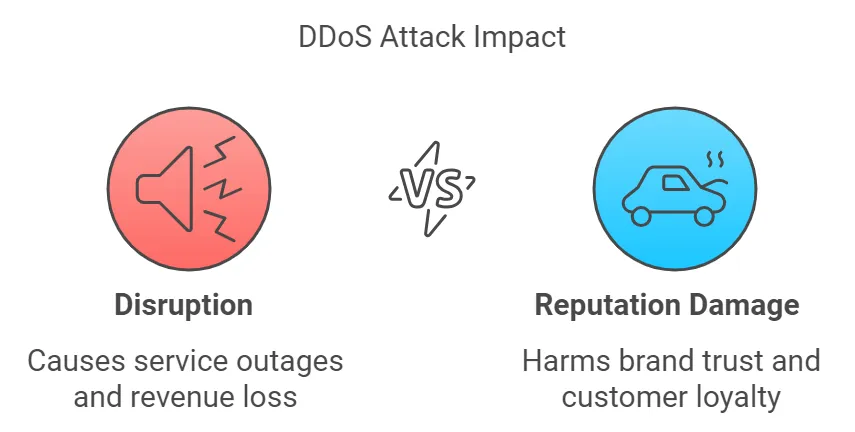
DDoS attacks flood your cloud services with massive traffic, rendering your systems unavailable to legitimate users. Such attacks can disrupt operations, cause revenue loss, and damage your reputation. According to CloudSecureTech, the threat of DDoS (Distributed Denial of Service) attacks is looming larger than ever over businesses and organizations, with more than a doubling of attacks in recent years.
- Actionable Tip: Use cloud-native DDoS protection tools, monitor traffic patterns, and configure automated alerts for abnormal spikes.
7. Compliance and Legal Risks: Ensuring Regulatory Adherence
Operating in the cloud doesn’t free you from regulatory obligations. Failure to ensure that your data storage and handling practices comply with standards like GDPR or HIPAA can result in severe penalties.
- Actionable Tip: Work with cloud providers that are compliant with industry regulations and conduct periodic audits to ensure your own practices align with legal requirements.
8. The Shared Responsibility Model: Know Your Role in Cloud Security
A common misconception among cloud users is that cloud providers are responsible for all aspects of security. In reality, cloud security follows a shared responsibility model—your cloud provider is responsible for securing the infrastructure, while you are responsible for securing your data and applications.
- Actionable Tip: Understand your specific responsibilities within the shared security model and implement additional security measures where necessary.
Cloud Security Tools and Techniques for Enhanced Protection
| Tool/Technique | Purpose/Benefit |
| CASBs | Monitors cloud usage, enforces policies, and blocks threats |
| CWPP | Secures workloads with constant vulnerability scanning |
| DLP Systems | Prevents sensitive data breaches in real-time |
| IAM | Controls access with MFA and role-based access (RBAC) |
| Threat Intelligence Feeds | Provides real-time alerts on emerging cloud threats |
| Microsegmentation | Isolates network segments to stop lateral attacks |
| SIEM | Analyzes logs and detects unusual activity in cloud |
| Zero Trust Network Access | Verifies identity before granting access to any user/device |
Stay Ahead of Cloud Security Threats with Prototype IT
Cloud computing offers immense benefits, but it’s not without risks. By staying aware of cloud security threats such as data breaches, insider threats, and misconfigurations, you can take proactive steps to secure your cloud environment.
| Discover Trusted Cloud Services Near You: |
Prototype IT is a leader in cloud security, offering advanced solutions to help businesses like yours protect sensitive data and ensure compliance. Contact us today to learn more about securing your cloud environment and schedule a free consultation.
Free Network Assessment:
Get In Touch
- ▶ 401 E. Corporate Dr STE 220
Lewisville, TX 75057 - ▶ 600 W. 6th St Suite 485
Fort Worth, TX 76102 - ▶ 13155 Noel Rd Suite 905
Dallas, TX 75240 - Phone: (214) 270-0850
- Web: https://www.prototypeit.net
