
8 Best Practices in IT Procurement That Will Help You Simplify Your Next Purchase
January 27, 2025



79% of business owners say that purchasing new IT assets is challenging. This high number isn’t surprising. Building and implementing an effective IT procurement strategy takes time and effort and it can be even more challenging if you aren’t fully aware of IT procurement best practices.
| “It’s too easy to overspend on subpar technology. Proactively planning your IT procurement process can go a long way towards helping you avoid that situation.” – Thad Siwinski, CEO of Prototype IT |
Following established IT procurement process best practices before and during the procurement cycle is your key to long-term success. There’s a good reason why these practices are widely recognized and it’s because they’ve helped many other companies find the cost-effective solutions that they need.
This article will explore some of those best practices. We will explain what you need to do and why each one will help you and your procurement team pinpoint and purchase the ideal IT solutions for your organization.
8 IT Procurement Best Practices You Need to Know About
1. Standardize Your IT Procurement Process
Use consistent procedures for identifying needs, researching options, and evaluating vendors. Standardizing your process reduces confusion and helps your team focus on priorities. Having a standardized procedure will help you streamline the procurement process. It also lowers the risk of someone choosing a poorly suited solution.
2. Involve Key Stakeholders Early
Engage relevant stakeholders such as IT leaders, department managers, and finance teams at the beginning of the process. Their input helps define accurate technical requirements, budget limitations, and operational needs. Early involvement ensures the selected solution supports organizational objectives and prevents future roadblocks.
Trust 100+ Years of Combined Expertise to Help You Make Your Next Decision |
3. Evaluate Total Cost of Ownership (TCO)
Examine both upfront costs and ongoing expenses like maintenance, upgrades, and energy or bandwidth consumption when evaluating IT solutions. 80% of total IT costs emerge after the initial purchase, so it’s important to understand how much those costs will be. This allows you to assess the long-term financial impact and avoid surprise costs after the purchase goes through.
4. Document Procurement Activities
Keep detailed records of all procurement steps, including requirements, vendor evaluations, and decision-making rationales. Documentation ensures accountability and provides a clear audit trail for future reference. Well-organized records also make it easier to replicate successful procurement strategies in the future.
| Learn More About How You Can Enhance Your IT Procurement Management |
5. Leverage Industry Benchmarks
Industry benchmarks are established standards or averages derived from analyzing the performance and practices of leading organizations within a specific sector. They serve as reference points to help businesses assess how their vendors compare to industry norms.
Compare vendor offerings against industry benchmarks to understand how they measure up in pricing, quality, and support. Benchmarks provide insights into market trends and help your team identify competitive deals. Using this information strengthens your negotiating position and ensures you select a vendor that delivers optimal value.
Here are some examples to be aware of.
| Benchmark | Description | Common Standards |
| Procurement Operating Costs | Measures the cost of running the procurement function as a percentage of total spend. | Top organizations keep this below 1% of total spend. |
| Cost Savings | Tracks how much money is saved through better purchasing strategies and deals. | Average savings are around 2%, with higher rates in some sectors. |
| Purchase Order (PO) Costs | Calculates the cost of processing each purchase order. | Average cost is about $429 per PO, though this varies by industry. |
| Spend Under Management | Measures how much of the organization’s total spending is actively managed by procurement teams. | Leading companies manage about 82% of total spend. |
| Supplier Compliance | Evaluates how well suppliers follow contract terms and meet performance expectations. | High compliance indicates strong vendor relationships and efficient management. |
Source: Purchasing & Procurement Center
6. Build Vendor Relationships
Develop strong, professional relationships with your vendors to foster trust and collaboration. Regular communication allows you to address issues quickly and gain insights into upcoming innovations or exclusive deals. A strong relationship ensures better service quality and positions your organization as a preferred partner for the vendor.
7. Negotiate All Contracts
Review all terms and conditions carefully and conduct contract negotiations before signing any agreement. Focus on clarifying service levels, addressing potential risks, and securing favorable pricing or payment terms.
Negotiations are your way of ensuring that your contract will meet your needs and protect your interests. On average, companies experience an 8.6% erosion in contract value after signing. Proper negotiations can reduce erosion in your contract.
| Let Some of The Leading IT Consultants in Texas Help You With Strategic Sourcing | ||
| Dallas | Fort Worth | Lewisville |
8. Implement Continuous Vendor Performance Reviews
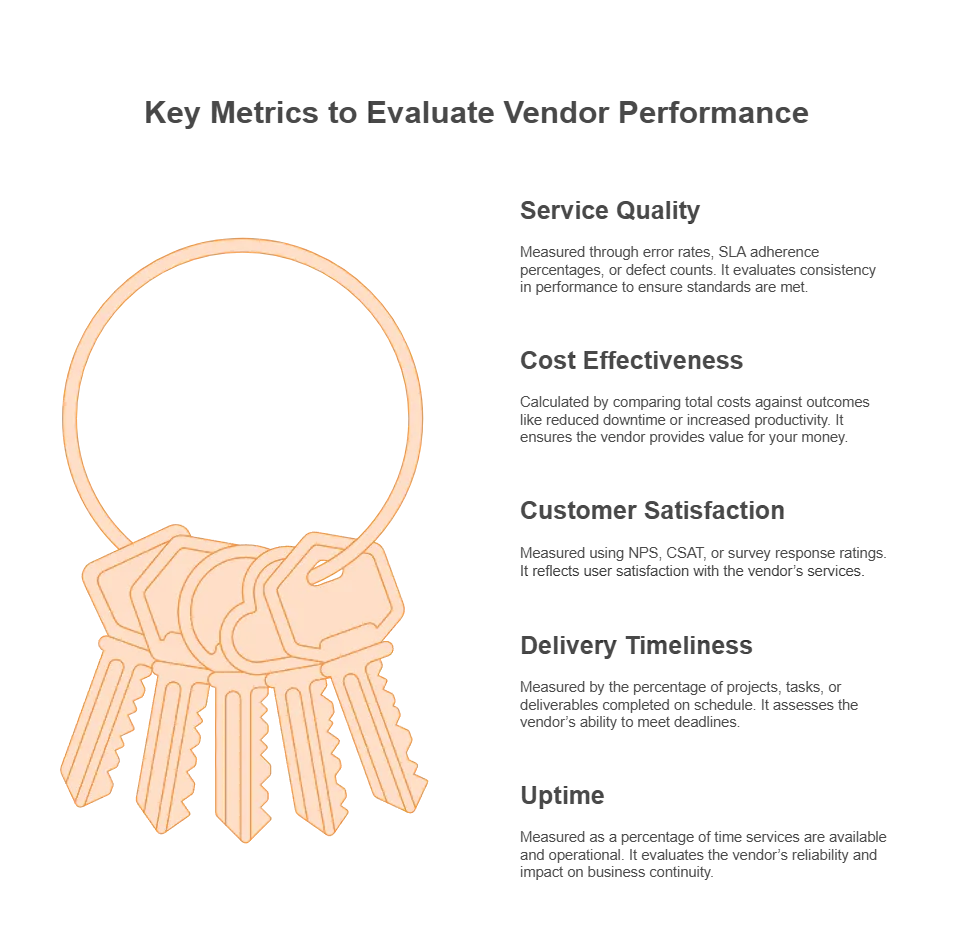
Establish a process to evaluate vendor performance based on key metrics regularly. Ongoing reviews help identify areas for improvement and ensure the vendor continues to meet expectations. This practice allows your team to make informed decisions about renewing or replacing contracts when necessary.
Here are some metrics you can use for this purpose.
Work With IT Procurement Professionals Who Follow All of These Best Practices
Following these IT procurement practices will help you achieve success. However, you can’t follow these practices unless you have a dedicated team who is willing to adhere to them.
If you’re looking for these professionals, you can find them at Prototype IT. Our experts will take the time to get to know your IT needs so we can work together to find the best solutions while mitigating any risks.
Reach out today to learn more about us.
Free Network Assessment:
Get In Touch
- ▶ 401 E. Corporate Dr STE 220
Lewisville, TX 75057 - ▶ 600 W. 6th St Suite 485
Fort Worth, TX 76102 - ▶ 13155 Noel Rd Suite 905
Dallas, TX 75240 - Phone: (214) 270-0850
- Web: https://www.prototypeit.net
