
How to Make Your Business IT Strategy Work For You For Longer
June 20, 2025


Every business needs to consider how the use of technology will affect operations. Consumers and competitors alike are placing an increasing amount of pressure on you to meet IT expectations. The challenge is that these expectations change quickly. Therefore, you need an adaptable business IT strategy.
| “Planning your IT strategy is a lot like planning any other business strategy. You may take aspects of what your competitors are doing, but you also want to go beyond their limitations and innovate in ways that make sense.” – Thad Siwinski, CEO of Prototype IT |
Additionally, your business operations may change. Even if you aren’t anticipating changes in the near future, your industry’s expectations may force you to adapt. An effective IT strategy must consider this possibility. Such changes will inevitably impact how you use technology.
Our guide is here to help you ensure that your information technology strategy can adapt to your changing business goals. We will discuss best practices to help you maintain your competitive edge, stay on top of relevant technology trends, and keep your strategy aligned with business objectives.
Why Must an IT Strategy For Business Be Flexible
An IT strategy must be flexible to help a business adapt to changing needs and conditions. Technology evolves quickly. If you lock yourself into a rigid strategy, you risk falling behind competitors who are adopting newer tools and processes.
A rigid IT strategy may also negatively impact the customer experience. This negative impact is part of why a lack of flexibility can damage your competitive advantage. That’s because if you cannot adjust your technology solutions to meet new demands, you may lose customers to competitors that can.
Cyber threats also evolve quickly. Many cybersecurity measures that you added to your IT strategy could eventually become irrelevant. That’s because when a data protection measure becomes common, bad actors make an effort to bypass these controls. That means that you need to stay ahead to maintain consistent protection.
Of course, adjusting the products and services that you use in your IT strategy costs money. So, it’s essential to take the time to recognize the changes that will impact you the most. This way, you can make strategic investments that will optimize your plan.
Keep Your IT Goals on Track by Solving 82% of Issues in One Call |
How to Detect IT Trends That Matter to Your IT Strategy
1. Think About Your Industry
Instead of following general IT trends in business, think specifically about your industry. Emerging technology that’s popular in the retail industry may not make sense if you’re a law firm. Also, pay attention to which trends are solving real operational problems and driving measurable improvements. This helps you avoid chasing trends that lack substance.
2. Remember Your Business Goals
Evaluate each trend through the lens of your current business objectives. Even if it’s popular with industry competitors, it may not be worth pursuing if it doesn’t help you meet your specific goals. Otherwise, implementing it may simply pull resources away from core activities that drive more value.
3. Assess Maturity & Stability
61% of CIOs say that the “fear of missing out” has caused their organization to attempt and fail an IT project. That’s because if you adopt a technology too early, you may face performance issues or integration challenges. Wait until the technology shows consistent results and gains adoption among similar businesses before committing.
| Avoid Strategic Errors With Strategic Advice |
4. Consider Integration Efforts
Not all IT solutions are suitable for every IT environment. About 70% of software integration projects are abandoned because it’s easy to underestimate the effort involved. Compare the time and effort it would take to integrate the solution into your current environment vs. the value it may deliver.
If a solution requires a significant integration effort but will provide long-term value, consider incremental adjustments to minimize potential workflow disruptions. Newer technologies also tend to have limited integration options until they become more mature.
5. Weigh The Total Cost of Ownership
Look beyond short-term implementation costs and estimate the full cost of adopting and maintaining the new solution. Include expenses for training, licensing, and ongoing support. Compare this to the expected benefits. Trends with a high total cost and uncertain return should be deprioritized.
IT Trends & How to Decide If They’re Worth Your Time
| IT Trend | Questions to Ask Before Adopting |
| Artificial Intelligence (AI) |
|
| Cloud Migration |
|
| Zero Trust Security |
|
| Automation & RPA (Robotic Process Automation) |
|
| Edge Computing |
|
| AI-Powered Analytics |
|
| Hybrid Work Technologies |
|
How to Evaluate Your IT Strategy To Verify Strategic Alignment
1. Review Current Business Goals
Business priorities often shift, particularly during periods of growth or market change. List your top 3 to 5 current business priorities. Then check whether your IT investments are actively helping you meet these specific goals. If your technology is not supporting these priorities, it is misaligned.
2. Map Technology to Goals
73% of executives say that they find it difficult to parse the business value of IT tools. You can help yourself overcome this challenge by creating a clear map of which technologies support your strategic goals and how they do so.
This helps you identify gaps where you may need new tools or upgrades. It also helps you spot technologies that no longer serve you. If a technology tool cannot be linked to a goal, evaluate whether to phase it out.
3. Measure Business Impact
Look for quantifiable results linked to your IT strategy. For instance, has a new automation tool reduced manual processing time? Has cloud migration improved service uptime? If your strategy includes tools that have not delivered measurable benefits within a realistic timeframe, consider adjusting your focus or exploring better alternatives.
4. Gather Employee Feedback
Ask employees how well current systems support their work. They often see where technology is helping or hindering them. If you hear common complaints or requests for better tools, this feedback can guide adjustments.
5. Audit Security Measures
Verify that your IT strategy still meets your current security and compliance requirements. For example, does your strategy support the data privacy laws in all markets where you currently operate? If not, update them to match your latest needs.
6. Review Costs
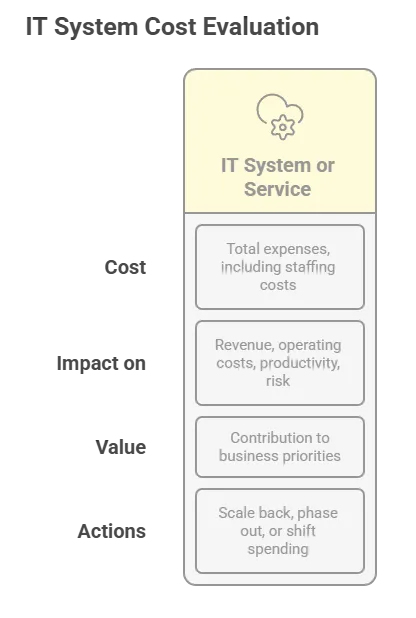
Break down IT spending by system or service. Then compare that spending to the actual business value delivered, such as revenue impact, cost savings, or risk reduction. Redirect resources away from tools that no longer contribute enough value. Invest more where IT directly supports high-priority goals.
Plan & Manage Your Business IT Strategy With Expert Consultants
Whether you have an established IT strategy or not, working with the right IT consultants is always to your benefit. Expert consultants can provide the insights that you need to make more strategic decisions, no matter how much IT expertise you have.
Choose Prototype IT to find those consultants. We deliver IT consulting services throughout the state of Texas and across North America. You can find our specialists in:
Contact us today and let us help you create and refine your strategic plan.
Free Network Assessment:
Get In Touch
- ▶ 401 E. Corporate Dr STE 220
Lewisville, TX 75057 - ▶ 600 W. 6th St Suite 485
Fort Worth, TX 76102 - ▶ 13155 Noel Rd Suite 905
Dallas, TX 75240 - Phone: (214) 270-0850
- Web: https://www.prototypeit.net
